





Denver sits on some of the most unpredictable soil in the country. Between the Front Range’s expansive clay, wide seasonal temperature swings, and rapid population growth pushing new demand onto aging pipe, engineers and contractors here face a rehabilitation puzzle most cities don’t.
For engineers and contractors managing sewer rehabilitation across the Denver metro area, inflow and infiltration (I&I) is not a static problem to solve once. Denver Water and metro utilities have leaned harder into I&I reduction programs as growth strains a wastewater collection system built for a much smaller city.
How Water Gets in Two Different Ways
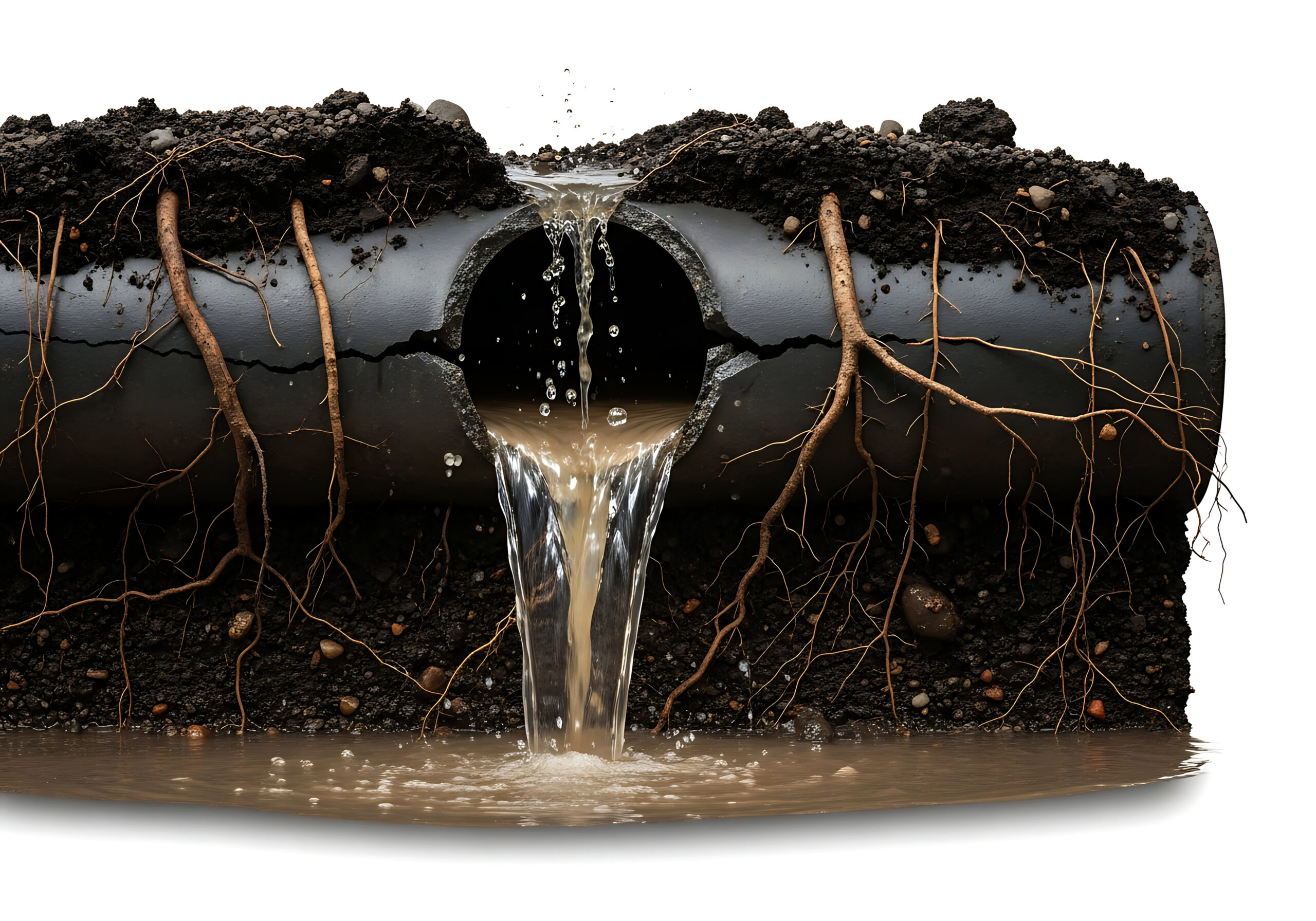
Infiltration in Denver looks like groundwater working its way in through cracked pipes, failed pipe joints, and manholes with deteriorated walls. Inflow is a more direct hit: stormwater and snowmelt entering through roof drains, foundation drains, and other connections tied straight into the sanitary system.
Both draw down sewer capacity precisely when spring runoff and summer storms hit hardest. Denver’s rapid freeze-thaw transitions accelerate wet-weather flow spikes that already-stressed pipe segments struggle to absorb.
Soil That Doesn’t Care About Your Liner
Denver crews reach for CIPP first because it renews a failing main without disturbing a major corridor, and on the mainline itself, it performs exactly as advertised. The soil underneath the rest of the system, though, plays by its own rules.
Denver crews often find that lining the main doesn’t move the infiltration needle much, because the expansive clay soil underneath swells and contracts with every freeze-thaw cycle on its own schedule. A joint that held fine in August can separate entirely by January, regardless of what happened at the mainline.
Common infiltration sources across Denver’s neighborhoods include:
- Deteriorated laterals beneath older Capitol Hill and Baker district properties
- Failed main-to-lateral connections stressed by expansive clay movement
- Cracked host pipes weakened by repeated freeze-thaw expansion
- Manhole joint failures allowing groundwater intrusion near South Platte River corridors
- Root intrusion into aging clay tile pipe common throughout Denver’s older neighborhoods
Letting the Diagnosis Drive the Repair
Because expansive clay behaves differently block to block, a snapshot inspection isn’t enough here. Pairing CCTV footage with flow monitoring and smoke testing across a full freeze-thaw cycle is what tells engineers whether a leak sits at the main, the lateral, the connection, or the structure.
From there, the right fix tracks the defect: structural mainline deterioration gets CIPP; a compromised lateral gets its own lining run; a joint pushed apart by clay soil movement gets targeted connection repair; a manhole cracked by seasonal expansion or riverfront groundwater pressure gets structural rehab; and a small, active, localized leak often just needs injection grouting rather than a full reline.
What’s at Stake for Engineers and Contractors
Metro utilities are working to keep a lid on the cost of pumping and treating groundwater that shouldn’t be entering the collection system, a challenge that grows as Denver’s population adds new demand to already-strained infrastructure. Sewer overflows during heavy rain carry real regulatory and reputational consequences for utilities already managing growth-driven capacity pressure.
A system this exposed to soil movement and rapid growth needs to be managed as one connected network, mains, laterals, connections, and manholes together, rather than a series of disconnected repairs. The mainline can pass inspection the day the liner cures; whether it stays that way through the next freeze-thaw cycle depends on the rest of the network getting the same attention.
Find a WRT-certified installer serving the Denver metro area to assess your collection system’s full scope of I&I sources.