


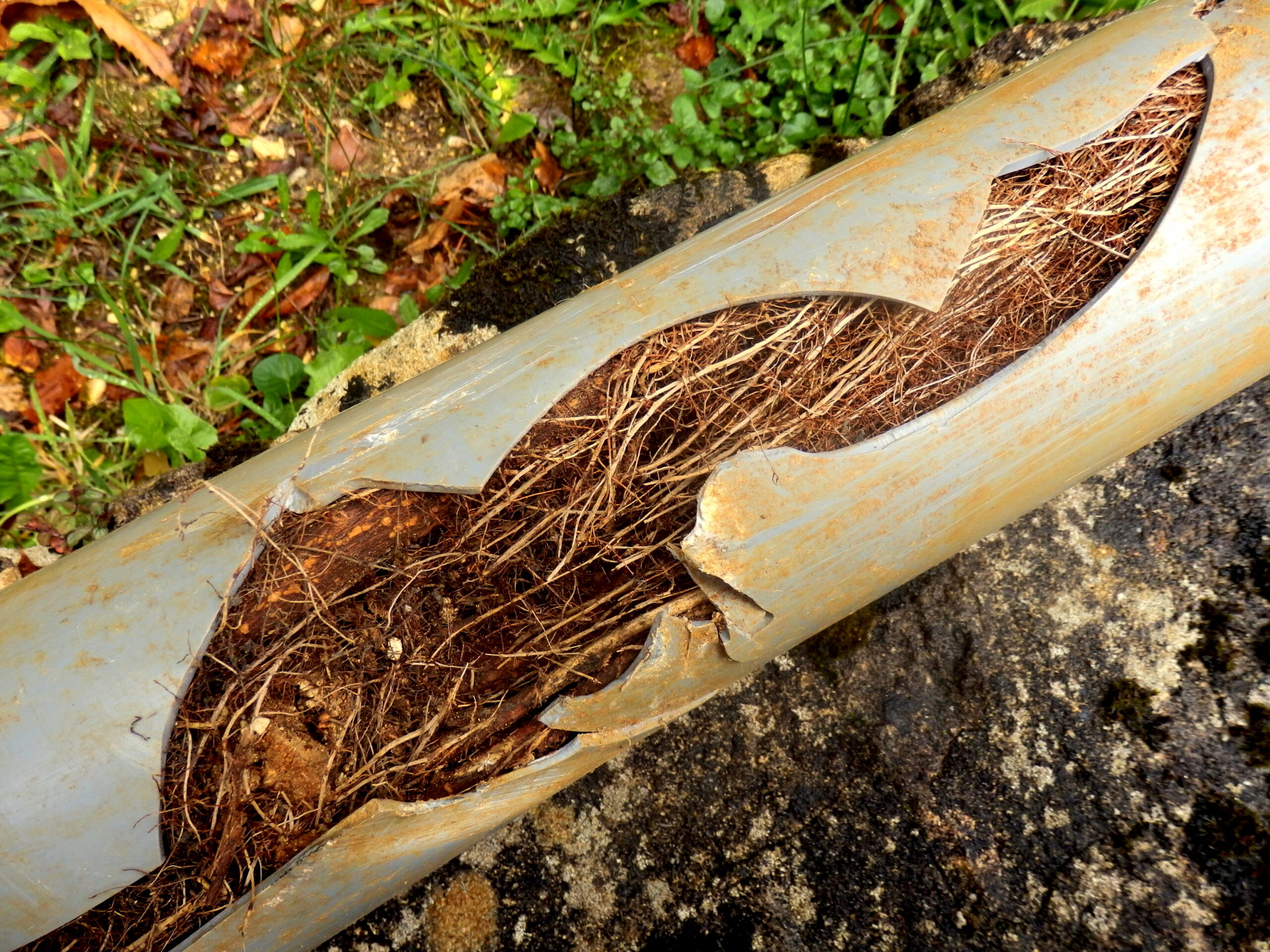
If you work residential calls across Denver and the Front Range, you have seen how unpredictable the ground can be. One week you are in a 1950s ranch in Arvada with a settled front walk. Next you are in a newer subdivision in Parker with expansive clay soils. Then it is a classic Denver square in Wash Park with mature trees and a basement that floods during certain storms. In every case, the real trouble often sits out of sight in the lateral.
You show up for a backup or slow drain, run your camera, and find cracked clay, offset joints, or bellies where the soil has shifted. Sometimes the line dips under a driveway, sometimes under a landscaped front yard that the homeowner is very proud of. Sewer line problems in this region are about more than a clog. They are about soil movement, aging materials, and homes that rely on every inch of working drainage.
For Denver residential plumbers who want to stay ahead, this is the right time to build a sewer line repair strategy around trenchless options that work with local soil and housing realities instead of fighting them.
Why Denver’s Ground Conditions Create Sewer Line Problems
Denver sits on a mix of expansive clays, fill, and varied soils. As moisture levels change through wet springs, dry summers, and freeze‑thaw cycles, the ground moves. That movement does not care about the original slope or alignment of a sewer line. Over time, joints shift, bellies form, and older materials start to crack.
You probably recognize these patterns:
- Mid‑century neighborhoods with original clay or cast iron laterals that have “rolled” over time.
- Newer subdivisions built on expansive soils where foundations and walks show signs of movement.
- Mature trees close to the house, with roots chasing moisture straight toward the line.
- Finished basements and garden‑level units that sit below grade and cannot afford a backup.
Each situation raises the risk that a quick cable job or jetting service is only a temporary win. It also makes traditional dig‑and‑replace difficult, especially when driveways, retaining walls, and landscaping sit on top of the problem area.
Why Camera Inspections Are Essential In Denver’s Market
In this environment, guessing is not enough. Sewer line rehabilitation in Denver starts with a detailed look at what the soil and time have done to the pipe. Camera inspections help you separate one‑time clogs from structural sewer line problems that will keep coming back.
It makes sense to recommend inspections for:
- Homes in areas known for expansive or heaving soils.
- Properties with repeated backups after heavy moisture changes.
- Houses with visible cracking in foundations, slabs, or walks.
- Basements that have been finished into living space or rentals.
Once you show homeowners actual footage of cracks, offset joints, bellies, or root intrusions, the conversation shifts. Instead of asking whether they “really need” more than cleaning, they start asking how to fix the problem permanently. That is your chance to introduce trenchless sewer repair and trenchless sewer line repair as smart answers for Denver conditions.
The Drawbacks Of Dig‑And‑Replace In Denver Yards
There are still jobs where excavation is necessary, but in Denver it can be an uphill battle. Opening up a line in front of a home often means:
- Cutting through driveways or decorative concrete.
- Working around retaining walls built to manage grades and soil movement.
- Hauling spoil and broken concrete on tight side yards or sloped lots.
- Dealing with weather that can turn a trench into a mud pit overnight.
These realities make dig‑and‑replace a tough sell, especially for homeowners who have invested in landscaping or are worried about future soil settlement. That is one reason more Denver plumbers are leaning into trenchless sewer technology. When you can repair from the inside, you reduce the surface disruption that clients fear and protect your crew from some of the hardest physical work.
How Cured In Place Pipe (CIPP) Fits Denver Residential Work
Cured in place pipe, or CIPP, lets you create a new pipe inside the existing one. A resin‑saturated liner is inserted into the damaged line and then cured in place, forming a strong, jointless pipe that resists further movement and intrusion.
For Denver plumbers, CIPP matches local needs because it can:
- Reinforce laterals affected by soil movement without major excavation.
- Seal out root intrusion from thirsty trees that chase water along the pipe.
- Provide a structural solution that holds up through freeze‑thaw seasons.
- Minimize the need to cut into concrete, decorative rock, and turf.
Trenchless sewer repair that uses CIPP allows you to say, “We can stabilize and restore your line while keeping your yard and driveway largely intact.” In neighborhoods where lots are not huge and every improvement matters to resale value, that message lands well.
Why UV Cured CIPP And UV Cured Pipe Lining Help In Changing Weather
Traditional CIPP often relies on hot water, steam, or ambient curing. In Denver’s climate, temperature swings can complicate that process. A warm afternoon can turn into a cold evening quickly. Those conditions make working time and cure timing harder to predict.
UV cured CIPP changes the equation. With UV cured pipe lining, an ultraviolet light source cures the liner from the inside when you choose. LightRay UV pipe lining is one system that uses LED technology to give you precise control over the cure.
On a Denver job, this delivers real benefits:
- The liner stays manageable while you position and verify it.
- You decide when to start the cure, regardless of outside temperature shifts.
- Cure times are short and predictable, so you can restore service quickly.
- Weather changes have less influence on the outcome.
For plumbers working in basements, crawlspaces, or narrow side yards that are exposed to sudden weather changes, UV cured pipe lining brings welcome consistency. Trenchless sewer line repair becomes less about guessing the clock and more about following a controlled process.
How LightRay UV Pipe Lining Fits Denver’s Mix Of Homes
Denver’s housing mix includes brick bungalows, split‑levels, townhomes, and new builds. LightRay UV pipe lining systems are designed for the lateral sizes and access conditions you see across that range, especially for spot repairs and full runs on residential lines.
Key advantages for Denver residential work include:
- Rapid cure times that get busy homes with multiple bathrooms and lower‑level living spaces back online quickly.
- Clean, low‑odor curing that keeps families comfortable while you work, even during cold‑weather jobs where windows stay closed.
- Reliable performance in tight, low‑ceiling basements and crawlspaces common in older neighborhoods.
- Flexibility to address many sewer line rehabilitation situations, from cracks and offsets to localized failures.
When you combine proper cleaning, inspection, and UV cured CIPP, you can turn unpredictable sewer line problems into managed projects. Homeowners see a clear plan and fast turnaround. You see jobs that are easier to schedule, price, and complete in the face of local soil and weather challenges.
Educating Denver Homeowners About Responsibility And Risk
Many Denver homeowners are not fully aware of where their responsibility for sewer line repair starts and ends. Some assume the city will handle anything beyond the curb. In many areas, that is not the case. When something fails between the house and the main, they are often the ones who must act.
By taking a few minutes to explain:
- Which portion of the lateral is likely theirs to maintain,
- How soil movement and root growth increase risk in this region,
- And how trenchless sewer technology can reduce disruption and long‑term cost,
you position yourself as a trusted partner instead of just an emergency responder. When the next issue appears, they remember the plumber who talked openly about cured in place pipe and UV cured CIPP, not just the one who cleared a clog and left.
Building A Stronger Denver Plumbing Business With Trenchless
For residential plumbers serving Denver and nearby communities, investing in trenchless sewer line repair is both a technical and strategic move. It lets you align your services with the realities of local soil, housing styles, and homeowner expectations.
With the right equipment and training, you can:
- Win higher‑value jobs from clients who want durable solutions that protect finished basements and yards.
- Reduce repeat calls caused by structural defects that cleaning alone cannot fix.
- Turn challenging properties into case studies that bring in referrals from neighbors, real estate agents, and inspectors.
- Use inspection videos and project documentation to show future customers why trenchless sewer repair and sewer line rehabilitation are smart investments.
LightRay UV pipe lining and other UV cured CIPP systems give you the confidence to tackle complex sewer line problems with clear timelines and dependable results. In a region where ground movement and weather are part of everyday life, that confidence becomes a real competitive edge.
Your Next Step As A Denver Plumber
If you are ready to move beyond short‑term fixes and start offering full sewer line rehabilitation across Denver neighborhoods, now is the time to look closely at trenchless sewer technology. Review the sewer line problems you encounter most often. Identify where cured in place pipe and UV cured pipe lining would have turned a difficult excavation into a manageable trenchless job.
Talk with your suppliers about LightRay UV pipe lining setups sized for residential laterals. Choose one or two projects that are strong candidates for trenchless sewer line repair, document each step, and use that proof in your future sales conversations.
In a city built on shifting soils, changing weather, and a mix of old and new homes, the plumbers who master trenchless sewer repair will be the ones Denver homeowners call first when the next backup threatens their basement or their peace of mind.