


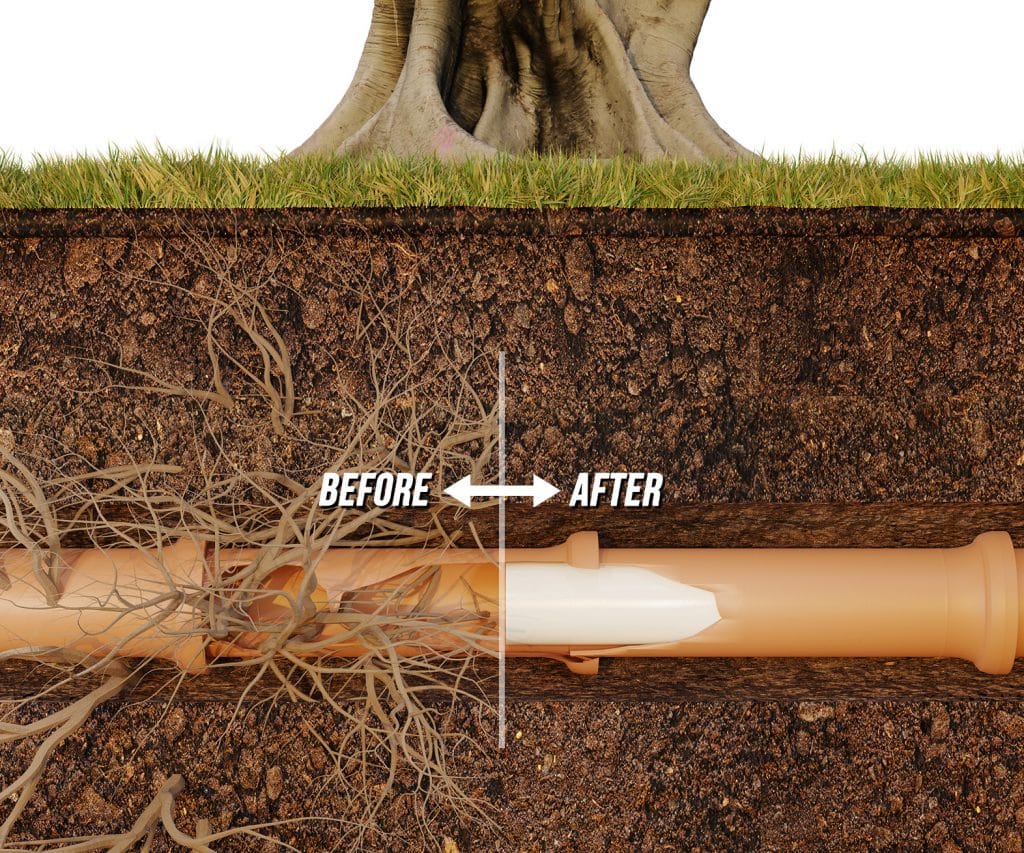
Denver sits at the intersection of rapid growth and aging underground infrastructure. The metro area has added hundreds of thousands of residents over the past decade, and the pipes beneath those streets, neighborhoods, and commercial corridors were not all designed to carry the load that comes with it.
For contractors and engineers working on trenchless pipe rehabilitation across Denver, Jefferson County, Arapahoe County, and the broader Front Range corridor, CIPP liner thickness is one of the first decisions that determines whether a job holds up or comes back to haunt you.
What Makes Denver’s Underground Environment Demanding
Colorado’s soils tell a complicated story. Bentonite-rich clay soils throughout the Denver metro area swell dramatically when wet and contract hard when dry. The Denver Blue Shale formation underlying much of the basin has been causing foundation and infrastructure problems for decades, and buried pipe systems are no exception.
Temperature variance compounds the issue in ways that contractors from milder climates don’t always anticipate. Denver regularly swings more than 40 degrees Fahrenheit in a single day during shoulder seasons, and winter freeze-thaw cycles at 5,280 feet are more severe than many comparable inland cities.
Host pipes that have been absorbing that thermal cycling for thirty or forty years often arrive at a rehabilitation project far more deteriorated than pre-job assessments suggest.
A 2mm cured-in-place pipe liner operating near minimum structural thresholds has limited capacity to absorb that combination of soil pressure, moisture variation, and thermal cycling. The conditions here are not edge cases. They are the standard.
The Load Factors Specific to Denver Installations
When evaluating CIPP liner thickness for a Denver or Front Range project, the structural loading environment includes:
- Expansive bentonite clay soils that place sustained and variable lateral pressure on host pipes and liners
- Severe freeze-thaw cycling driven by Denver’s high-altitude temperature swings throughout the winter and spring seasons
- Rapid population growth pushing heavier vehicle loads onto street networks not originally designed for current traffic volumes
- Aging clay and concrete host pipes throughout older Denver neighborhoods, many of them installed during the postwar expansion of the 1950s through 1970s
- Deep burial depths required across much of the metro area to comply with Colorado frost depth requirements
- Active groundwater movement in areas near Cherry Creek, the South Platte River corridor, and the Highland and Sunnyside neighborhoods
- DOTI and Denver Water specifications increasingly reflecting stricter long-term performance requirements on rehabilitation contracts
A 2mm CIPP liner may satisfy minimum ASTM F1216 requirements in a controlled scenario. Denver’s underground does not offer controlled scenarios.
Why Liner Failure Is Especially Costly Here
Denver’s infrastructure rehabilitation market is active and growing. IIJA funding has accelerated municipal rehab programs across the Front Range, and Denver Water’s capital improvement pipeline remains substantial heading into 2026 and beyond. Contractors performing well on these projects are building the kind of track record that wins the next round of bids. Those managing callbacks are not.
Mobilization in Denver is not cheap. Traffic control on Colfax, Colorado Boulevard, or any arterial through the central neighborhoods adds real cost to every return visit. When a liner underperforms and a callback follows, a contractor is not just absorbing the direct cost of rework. They are absorbing the hit to their reputation in a market where the municipal engineering community is small and well-connected.
Why 3mm Is the Right Specification for Front Range Work
A 3mm CIPP liner provides the structural margin that Denver’s load environment demands. The advantages are direct and market-specific:
- Greater resistance to the expansive clay soil pressure common throughout the metro area
- Improved pipe liner performance through severe freeze-thaw cycling and seasonal temperature extremes
- More installation forgiveness when bentonite soil movement has pushed host pipes beyond their original geometry
- Enhanced long-term durability through sustained thermal and moisture loading cycles at elevation
- Reduced callback exposure and stronger standing on warranty claims
- Defensible specifications for DOTI reviews, Denver Water engineering requirements, and regional municipal sign-off
For engineers writing specifications on Denver rehabilitation contracts, 3mm is the recommendation that holds up when the job is reviewed a decade later.
The Calculation That Makes the Choice Simple
ASTM F1216 liner calculations account for burial depth, soil type, groundwater pressure, live loads, and host pipe condition. Colorado’s frost depth requirements push burial depths in Denver above standard design assumptions for much of the country, and bentonite clay soil movement adds lateral pressure that flat-terrain soil profiles simply don’t generate. In a market with Denver’s variables, completing those calculations is not administrative formality. It is the engineering basis that determines whether your specification holds up five years from now or comes back as a warranty dispute.
Before selecting a 2mm liner on any Front Range project, one question needs a clear answer: Have the ASTM F1216 calculations been completed for this specific installation?
If not, the answer is already in front of you. Install 3mm.
Build for Colorado’s Conditions
Denver’s growth is not slowing down. More development means more load on underground pipe systems, more rehabilitation projects entering the pipeline, and more scrutiny on how those projects are specified and executed.
A 3mm CIPP liner gives contractors and engineers the strength and safety margin to stand behind every job in this market.
Don’t guess on thickness. Install 3mm.